I have things that would be almost worthless to anyone else. A stone picked up on a beach. Something one of my children made years ago. A book that is not particularly rare or valuable, but that I would notice immediately if it disappeared from my shelves. Most of us have things like this. Objects that would earn very little at an auction and yet somehow become irreplaceable. Their value has almost nothing to do with what they are made of. Somewhere along the way, they became more than things.
We do something similar in our churches. We set aside particular objects and call them sacred. A communion cup is not used for orange juice at the church picnic. The baptismal font does not become a convenient place to leave your keys. Depending on the tradition, there may be particular ways of handling the Bible, the communion vessels, the altar or communion table. We understand that these things have been set apart. They belong to our encounters with God, and so we treat them differently.
But I wonder if we sometimes make the mistake of thinking that sacredness belongs to the object itself.
The Bible is full of ordinary things becoming holy in the middle of ordinary life. Moses encounters God beside a bush. Jesus takes bread and wine from a meal and tells his friends to remember him. Water becomes the sign of baptism. People meet God on mountains and beside wells, around dinner tables and on roads between towns. Christianity has certainly built beautiful churches and created extraordinary works of sacred art, but our story keeps stubbornly reminding us that God does not require beautiful surroundings before showing up.
Perhaps what makes something sacred is not that it has escaped ordinary life, but that ordinary life has become transparent for a moment. A table becomes the place where someone was welcomed. A battered recipe card carries the handwriting of someone we loved. A stone holds the memory of a shoreline, a particular day, perhaps a person who stood beside us. The object has not magically changed. We have. A relationship, a memory, a story has gathered around it until picking it up means touching something larger than the object itself.
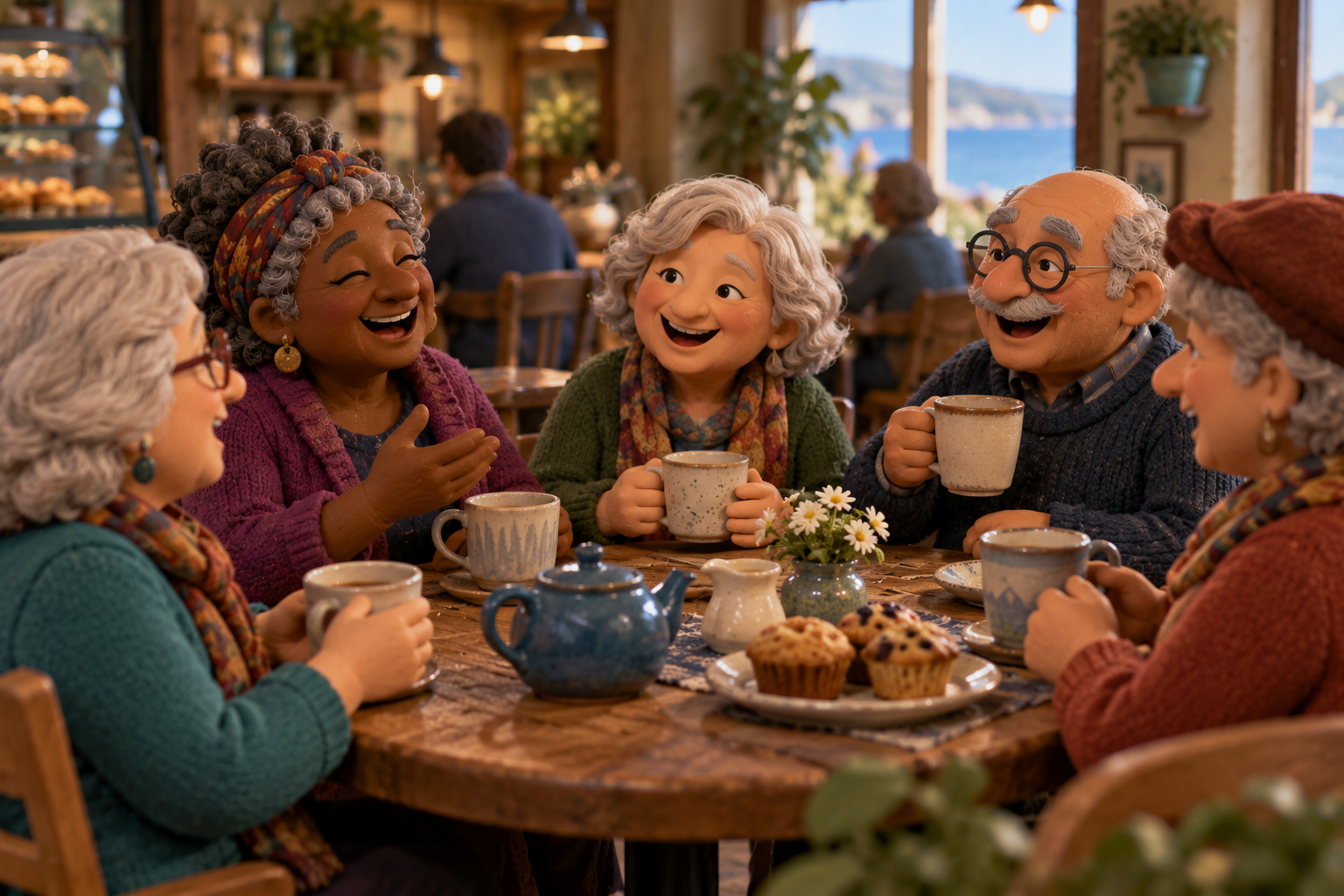
That matters because it changes where we look for holiness. If sacred things exist only inside churches, then most of our lives happen somewhere else. But if holiness can gather around bread and water, tables and stones, then there is no neat border between sacred life and ordinary life. The cup of tea shared with someone who needed company may be as holy a moment as anything that happens beneath stained glass. The kitchen table where forgiveness finally becomes possible may be an altar without anyone ever calling it one.
Of course, not everything we keep is sacred, and an object does not need to be preserved forever simply because it once mattered. Sometimes the story remains after the thing itself is gone. Sacredness is not an argument for filling our homes with possessions we are afraid to release. It is an invitation to pay attention to why some things matter – and, more importantly, to the people, places and experiences that gave them meaning in the first place.
Maybe that is one of the gifts of sacred things. They teach us to notice. They remind us that holiness is not necessarily rare, expensive, ancient or officially approved. Sometimes it is sitting on a bookshelf. Sometimes it is tucked into a drawer. Sometimes it is a chipped mug, an old photograph, a shell from a beach, or a table around which people have laughed and argued and eaten together for years. The world is full of ordinary things. Perhaps the sacred begins when we learn to see that some of them are carrying stories.
 The Barefoot Evangelist
Leave a comment