I’ve been part of a few conversations lately about what the church looked like in the very beginning. Now, as an historian these are not unusual conversations to be part of, I am often talking about what the Christian community looked like at various times in history. What is unusual is who are having these conversations. It isn’t academic circles nor my fellow history nerds, but long time members of congregations and those who did not grow up in the church but are wondering what a community could look like for them.
Fortunately, I have the chops to give an idea.
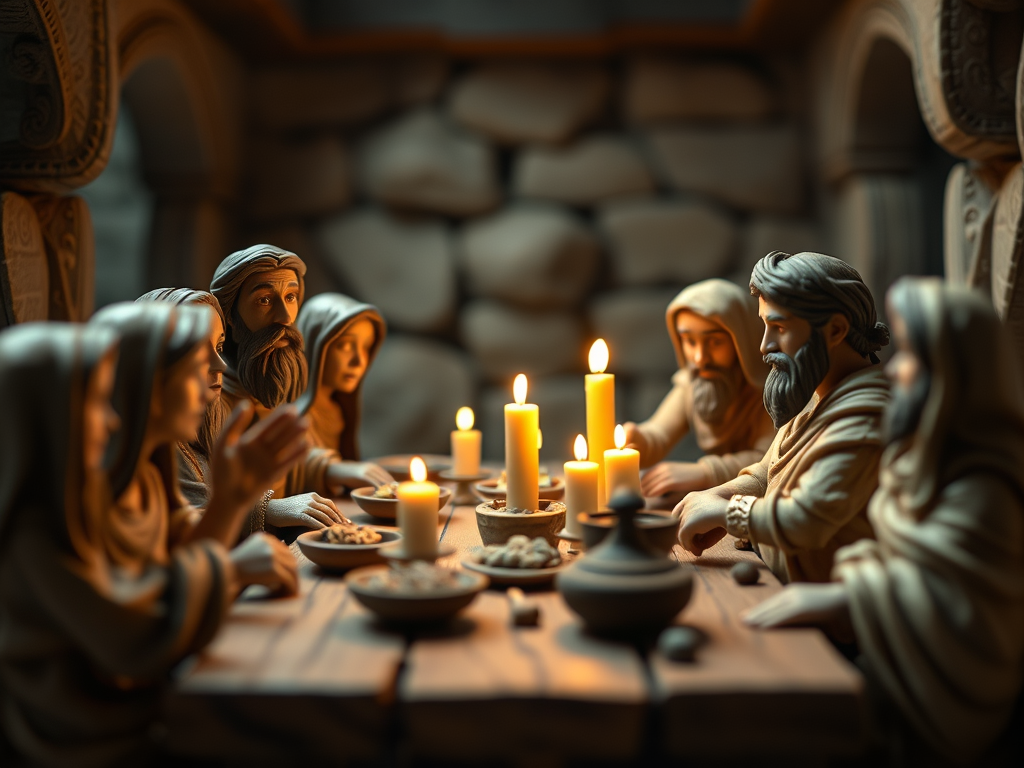
We read in the writings of Acts and and the letters of Paul that the earliest communities used to get together for conversation and worship in apartment buildings, backs of factories, family homes… wherever there was space. They had some of the same elements of worship that we do – singing, prayer, listening to documents written about Jesus and living their faith. However, one of the huge elements they engaged in that has been lost through history is their conversations.
They would get together on a Sunday evening: Sunday as a way to honour the Resurrection, the evening because that’s when they had time. Usually it was around the evening meal, so all generations were together, not separated as so many us growing up in the church experienced, and they would sing, pray, listen, and talk.
For many decades and generations all they had were travelling teachers, missionaries and apostles coming to their communities and telling them about Jesus and the social gospel Jesus called for. Later they would have the letters of Paul to circulate, but those were less helpful. Aside from the letter to the Romans, Paul was always responding to a problem or concern from the community addressed by his responses, so that problem or issue might not have been experienced elsewhere. They would not start having the gospels, or other letters and books that did not make it into the Christian Biblical canon, until almost 40-90 years after Jesus’ death. They certainly did not have the full work of literature we have today.
So they talked.
They talked within the context of the wider Hebrew tradition and the promises of God to give a Messiah. They talked about the tradition of David and the promised freedom of their holy lands. And they talked about what it looked like and felt like to live the life Jesus wanted them to live.
All of that is reclaimable. We can have communities that look like those of the earliest Christian gatherings. Some churches have attempted it through the House Church and Small Groups movements, but we can do it on a larger scale.
We just have to get comfortable asking questions, pointing out areas of confusion, and wresting with doing God’s work in a world that has picked up the easy parts (the social safety net that most of us in western countries experience), but we have yet to do the hard parts (challenge social hierarchy and concentration of wealth).
Anyone can have a worshiping community in their home. Instead of travelling missionaries today we have YouTube videos including all of those on The Barefoot Evangelist website and YouTube channel. There are places to look for historical and theological information, even if you have to be careful to suss out the agenda of those posting.
And you can talk… together.
 The Barefoot Evangelist
Leave a comment